
Organismal Biology and Ecology Students Spend Summer Researching in the Arctic

Land Acknowledgement from Dr. Roxaneh Khorsand: We acknowledge that the research described in this story takes place on the land of the Alaska Native Nations including the Nunamiut, Iñupiaq, Gwich’in, and Koyukuk Peoples. We recognize that our access to this land is the product of over a century of colonialism and the forced displacement of Indigenous Peoples. We are grateful for the continued presence of Indigenous Peoples who inhabit and steward this land, and support the ongoing struggle of all Indigenous Peoples, both in in Alaska and globally, so they may reclaim their inherent right to self-determination.
Organismal Biology and Ecology (OBE) majors Jane Watson ’27, Sabrina Ng ’27, and Ian Hauver-Radloff ’26 spent three months this summer in the Arctic, studying how plants and pollinators are responding to anthropogenic warming.
Hauver-Radloff, Ng, and Watson worked on this research in collaboration with Dr. Roxaneh Khorsand, Assistant Professor of OBE, who began the project with CC students in 2018. The research is part of an ongoing project with the goal of building a long-term dataset on the flowering phenology, plant-pollinator interactions, and floral rewards for this region of the Arctic. Since 2018, Khorsand has mentored over 20 students on this research project, sending students to Alaska every summer except for 2020. Because of the short growing season in the Arctic, the researchers typically collect data from late May through early August each year at Toolik Field Station, located on Alaska’s North Slope.

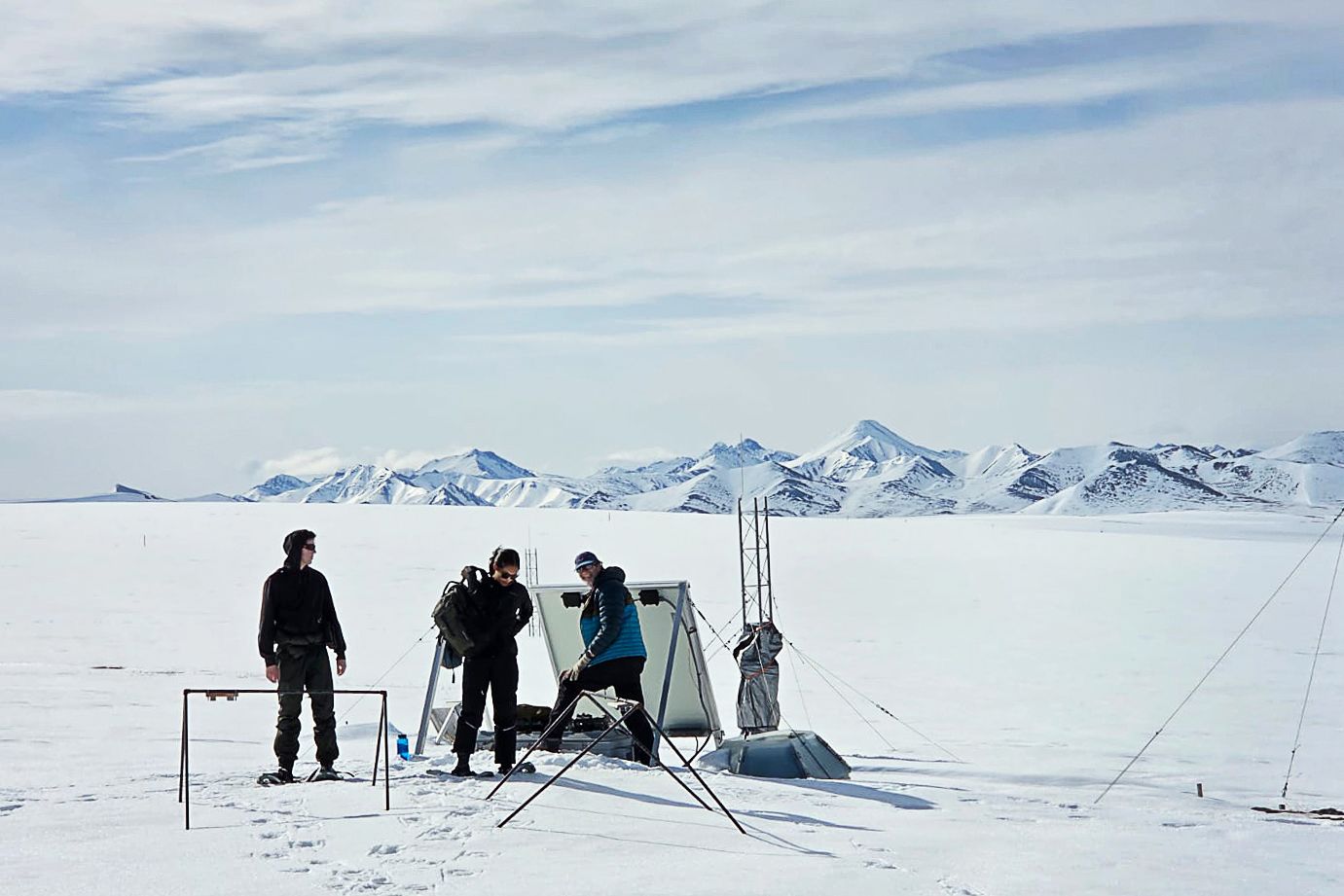

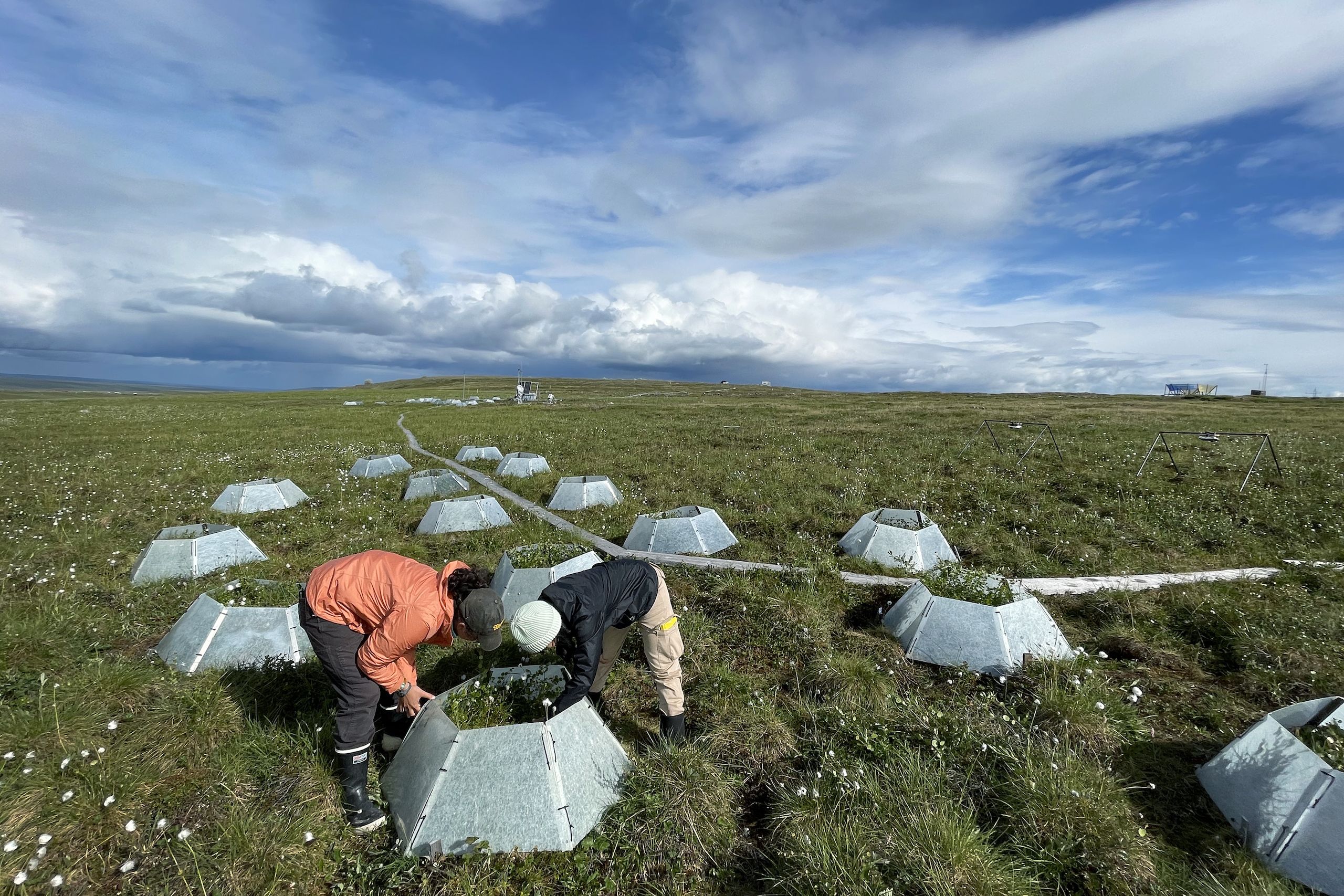
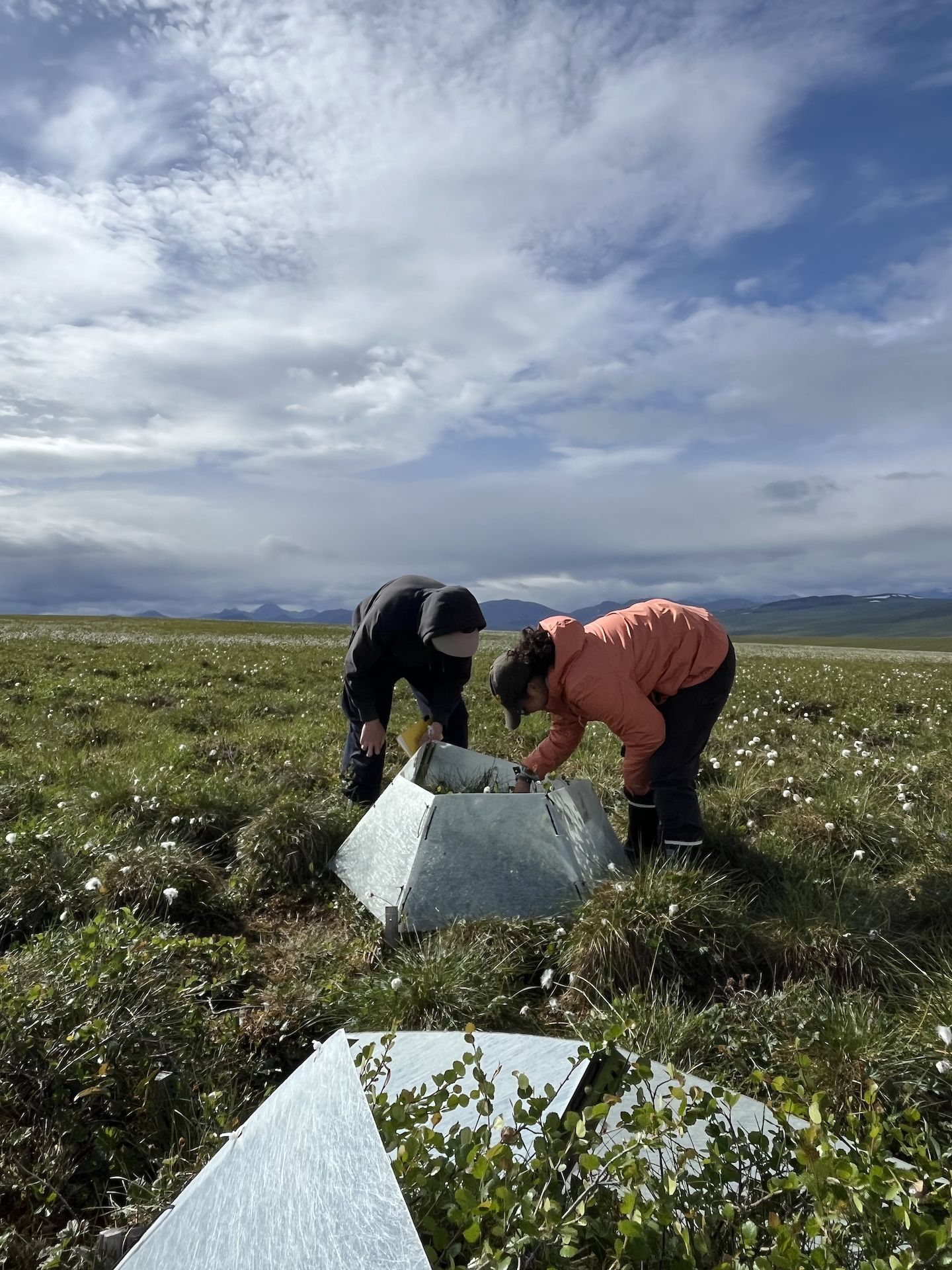
Ian Hauver-Radloff ’26, Sabrina Ng ’27, and Jane Watson ’27 monitored 128 plots at two sites near the Toolik Field Station. Half of the plots had open top chambers (OTC), which increase the temperature of the plot by about one degree Celsius during the summer.
Ian Hauver-Radloff ’26, Sabrina Ng ’27, and Jane Watson ’27 monitored 128 plots at two sites near the Toolik Field Station. Half of the plots had open top chambers (OTC), which increase the temperature of the plot by about one degree Celsius during the summer.

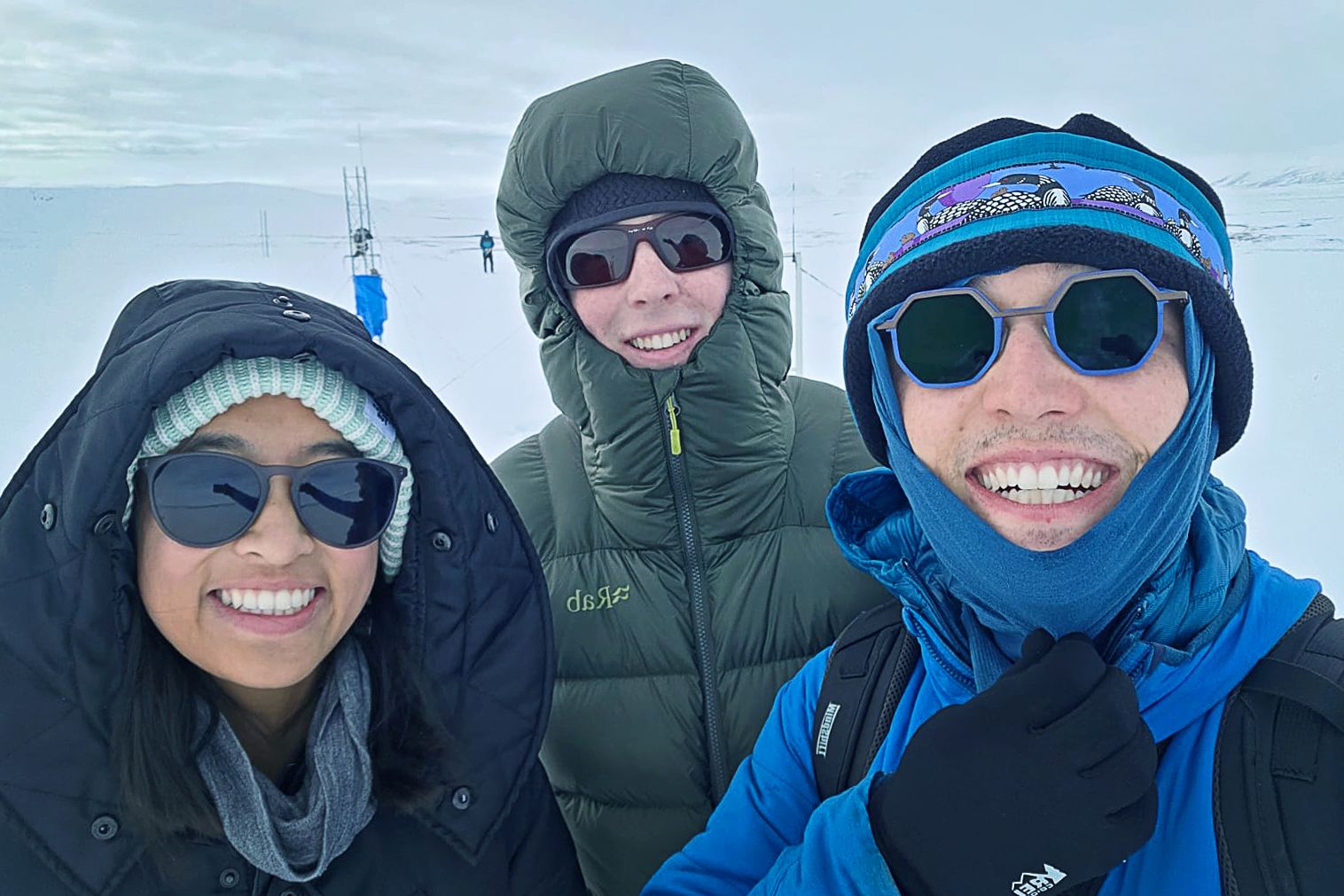
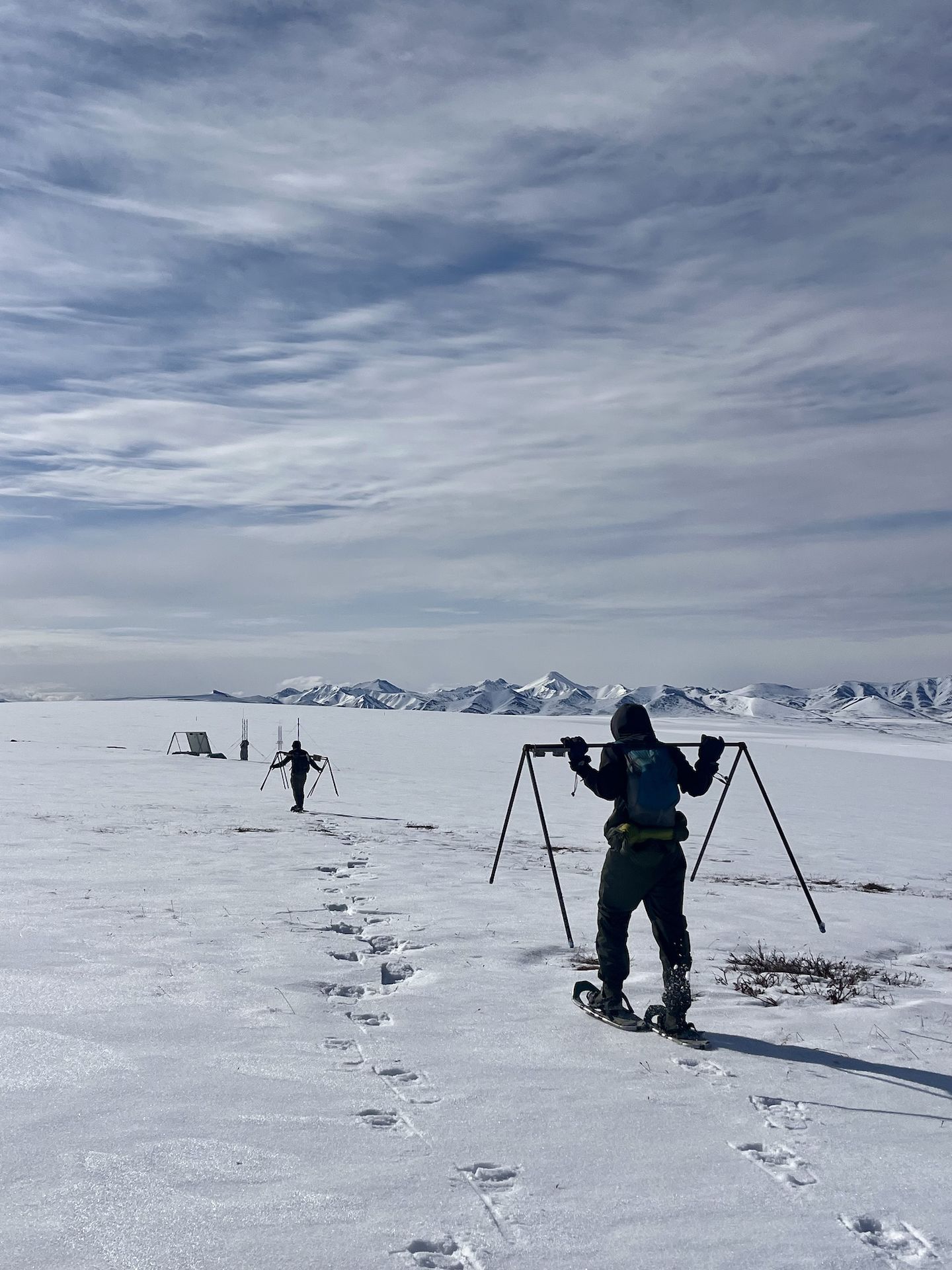
Sabrina Ng ’27, Ian Hauver-Radloff ’26, and Jane Watson ’27 in the snow during their research in the Arctic in Summer 2025.
Sabrina Ng ’27, Ian Hauver-Radloff ’26, and Jane Watson ’27 in the snow during their research in the Arctic in Summer 2025.

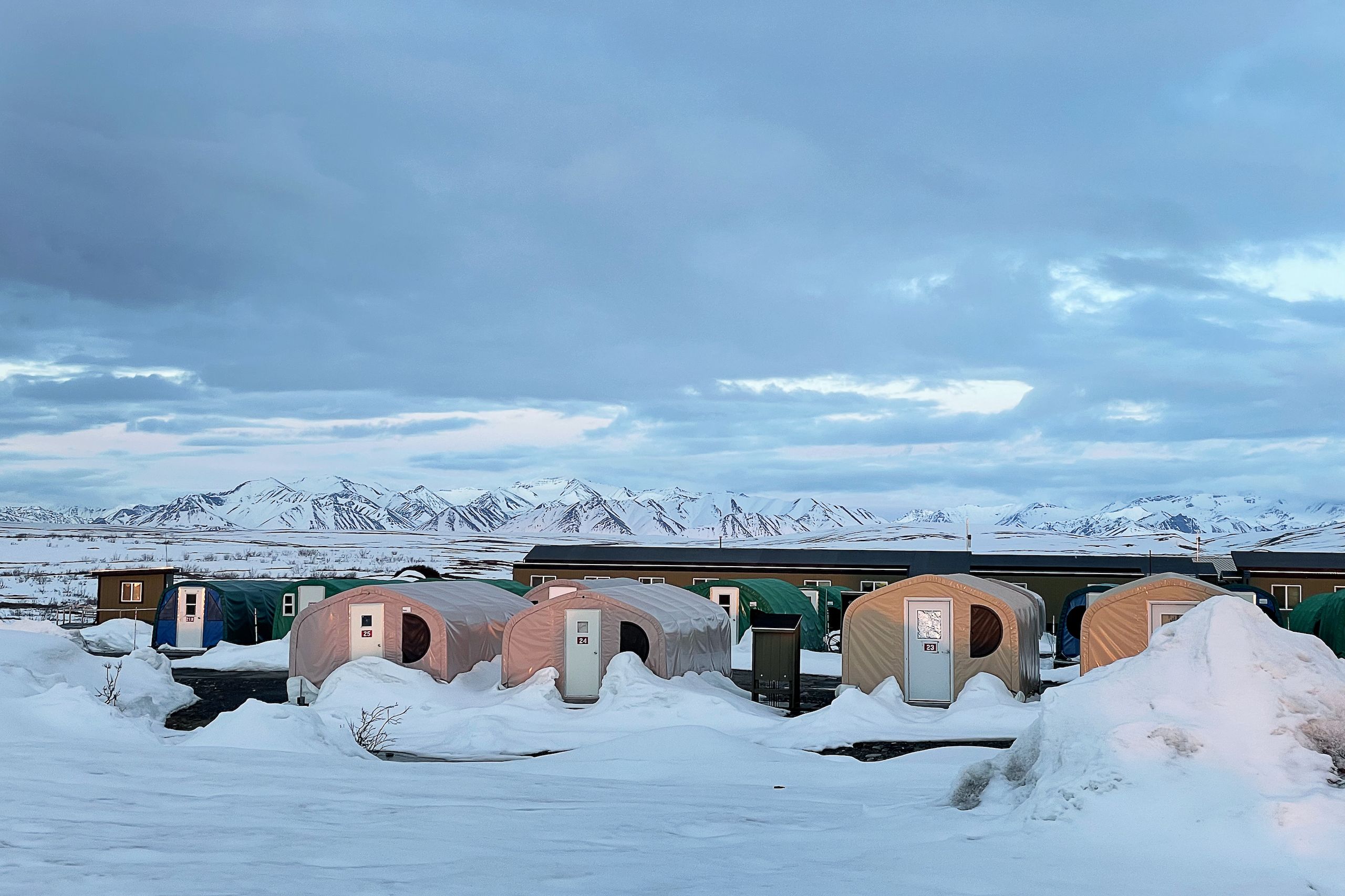
Researchers at the Toolik Field Station sleep in weatherports.
Researchers at the Toolik Field Station sleep in weatherports.

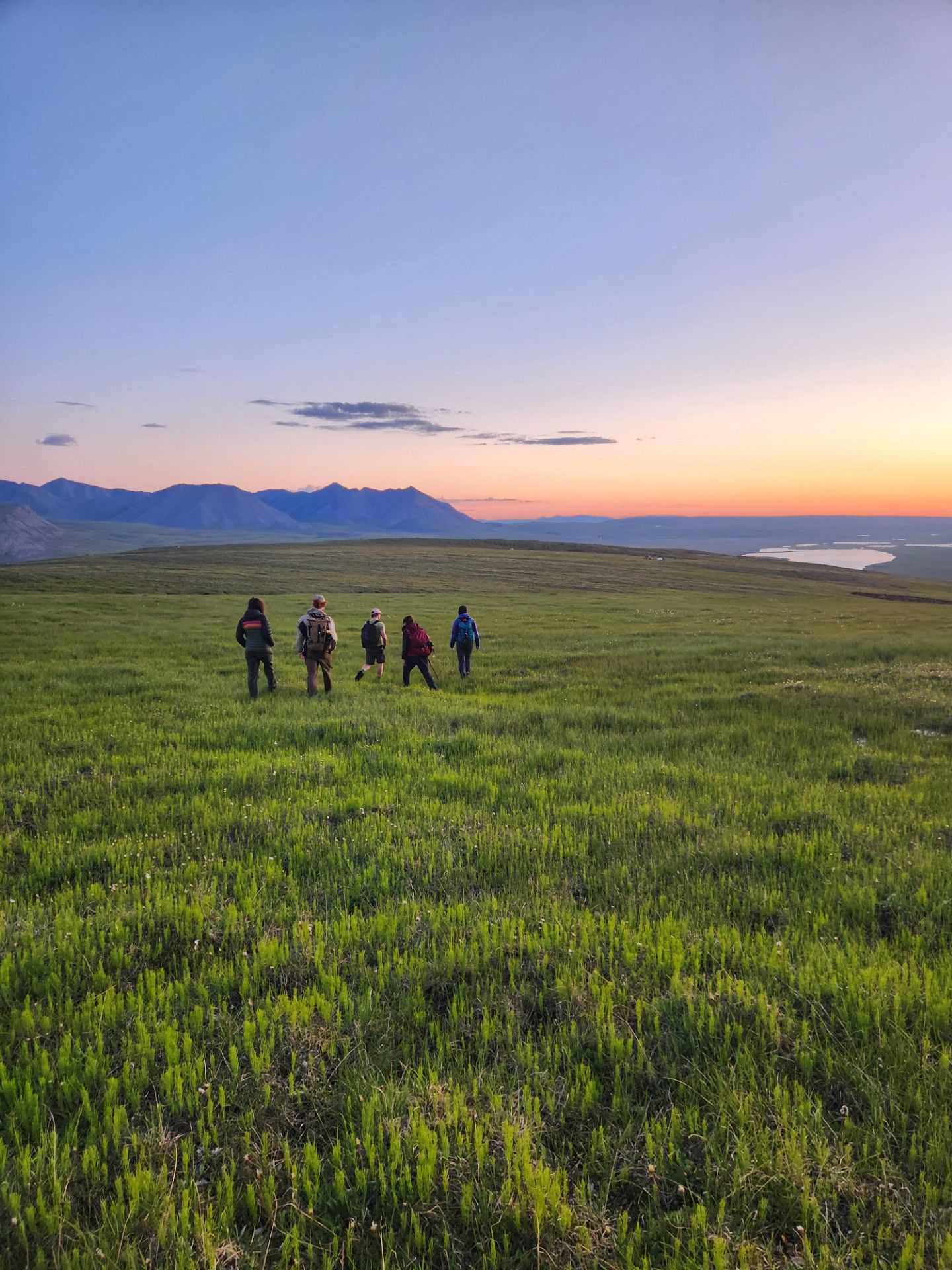
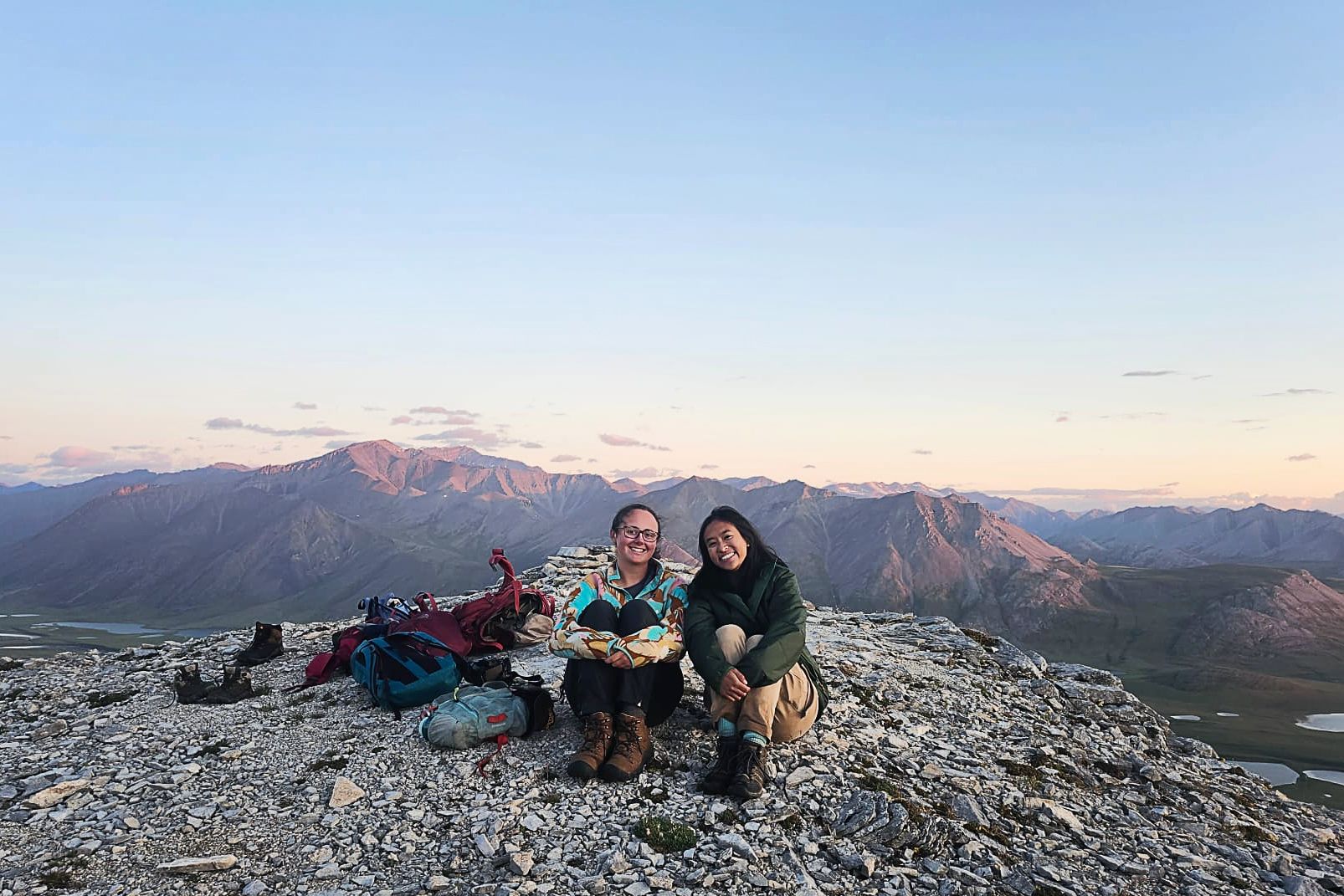
Sabrina Ng ’27, Jane Watson ’27, and Ian Hauver-Radloff ’26 got to explore the Arctic on weekends and spent a lot of time hiking.
Sabrina Ng ’27, Jane Watson ’27, and Ian Hauver-Radloff ’26 got to explore the Arctic on weekends and spent a lot of time hiking.
In Summer 2022, Khorsand’s students Caroline Brose ’22, Zach Ginn ’23, and Luca Keon ’25 conducted similar research in the Arctic to determine how an increase in air temperature affects flowering patterns, the amount of nectar produced, and what type of insects interact with the plants. Hauver-Radloff, Ng, and Watson continued that research, which is part of a broader project Khorsand and her collaborators Dr. Steve Oberbauer (Florida International University), Dr. Jeremy May (Marietta College), and Dr. Flavia Sancier-Barbosa (Colorado College) are conducting as part of the International Tundra Experiment (ITEX). ITEX is a consortium of scientists that carry out long-term studies of climate change in Arctic, Antarctic, and alpine sites.

The Arctic is warming up to four times faster than any other region on Earth, so quantifying plant responses to rapid warming is necessary to predict how ecosystems will change and adapt. Ginn recently had a paper published in Frontiers in Plant Science with Khorsand and Sancier-Barbosa. As a CC student, Ginn started off doing research under the mentorship of Khorsand and is now co-author on a publication, which is a full circle moment.
“
Co-authoring this paper with Drs. Khorsand and Sancier-Barbosa has been a huge step in my academic career and has been a wonderful experience. I feel that the process has required trust, communication, and support from everyone involved, and I feel very grateful that they both felt enthusiastic and willing to support the project and my growth as a scientist! I am relieved that after two years post-graduation and countless zoom meetings, we are finally getting to share our work!
”
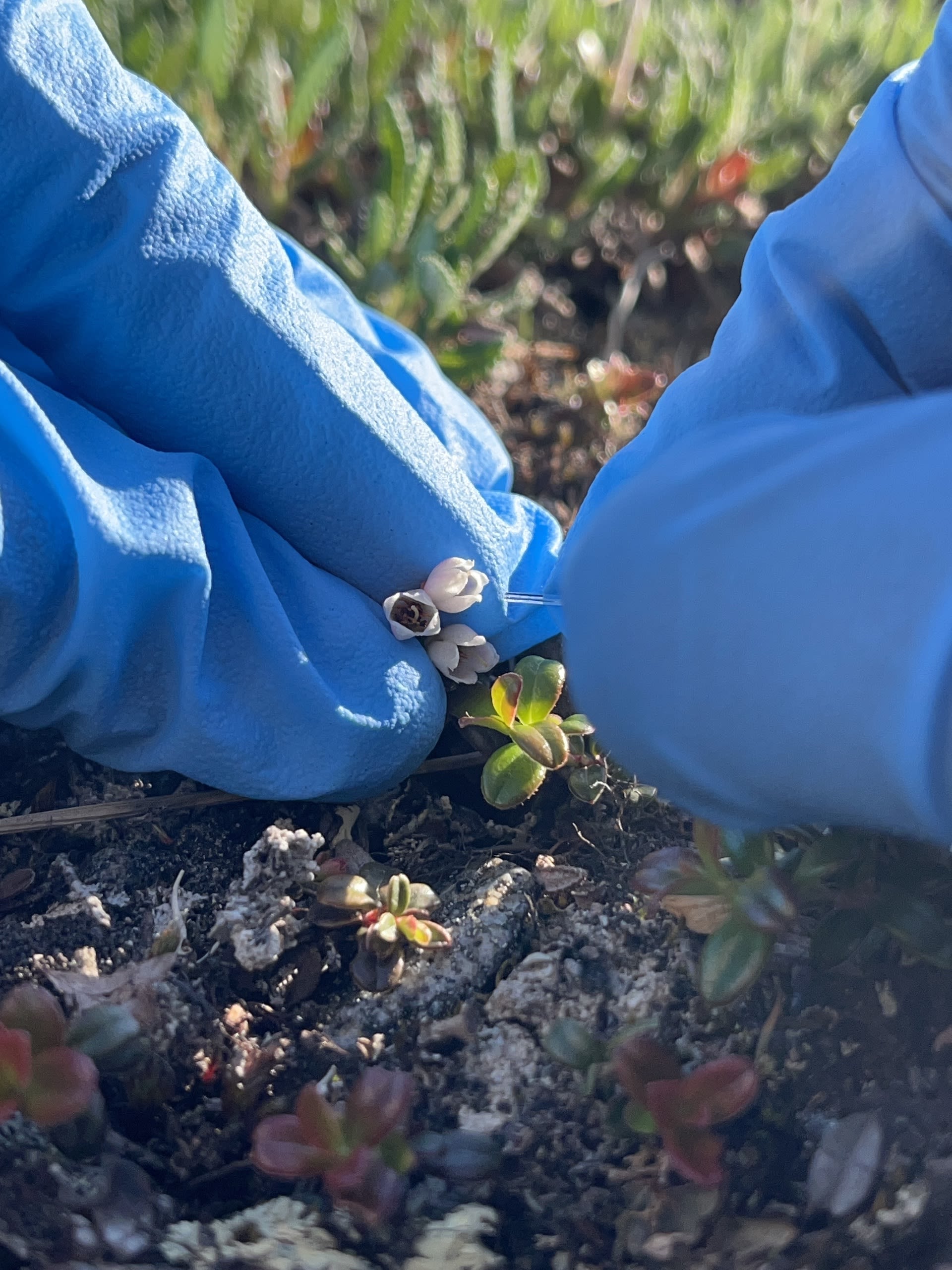
Watson, Hauver-Radloff, and Ng monitored 128 plots at two sites near Toolik Field Station. Half of the plots are experimentally warmed using open top chambers (OTCs), passive warming devices which increase the temperature of the plot up to 2.2 degrees Celsius during the summer. The other half of the plots are ambiently warmed and are used as the control group, or the baseline.
“
Our project is looking into the effect of experimental warming on plant-pollinator interactions in the Arctic.
”
A typical day at Toolik would start with breakfast at the dining hall, where CC students got to meet and spend time with undergraduates from other schools, as well as graduate students, professors, and other researchers. After breakfast, they would head out to the field for whatever project they were working on that day, such as collecting insect specimens or conducting visitor watches to gain information on which pollinators were visiting which plants.
Ng first learned about Khorsand’s research during Khorsand’s Biology of Plants class, which Ng took during her first year on campus.
“
I remember thinking, ‘Wow, that looks amazing — I wonder if that could be me one day.’ And my dreams came true. This was my first opportunity to dive deep into field work, and I really wanted to gain that experience to see if I would be interested in field work and research for my future career. This experience certainly positively influenced me in that direction.
”
Following the field season, Khorsand’s students typically work during specific blocks to process specimens in the lab, analyze data, and prepare posters and/or oral presentations for research conferences.

“
Our research would not be what it is without CC students. I am so grateful to have the opportunity and resources to mentor students with the passion, intellectual curiosity, and grit necessary to conduct challenging fieldwork for ten weeks straight. Every year, I witness substantial growth in my students, both as scientists and human beings. It is my favorite part of the job! These are the future ecologists and citizens who will engage in real-world research and problem-solving.”
”



Office of Communications and Marketing
14 East Cache La Poudre St. | Colorado Springs, CO 80903
communications@coloradocollege.edu
 Built with Shorthand