
Jevon Lipsey Uses Personal Experiences to Connect to Researching Midwest Hip Hop
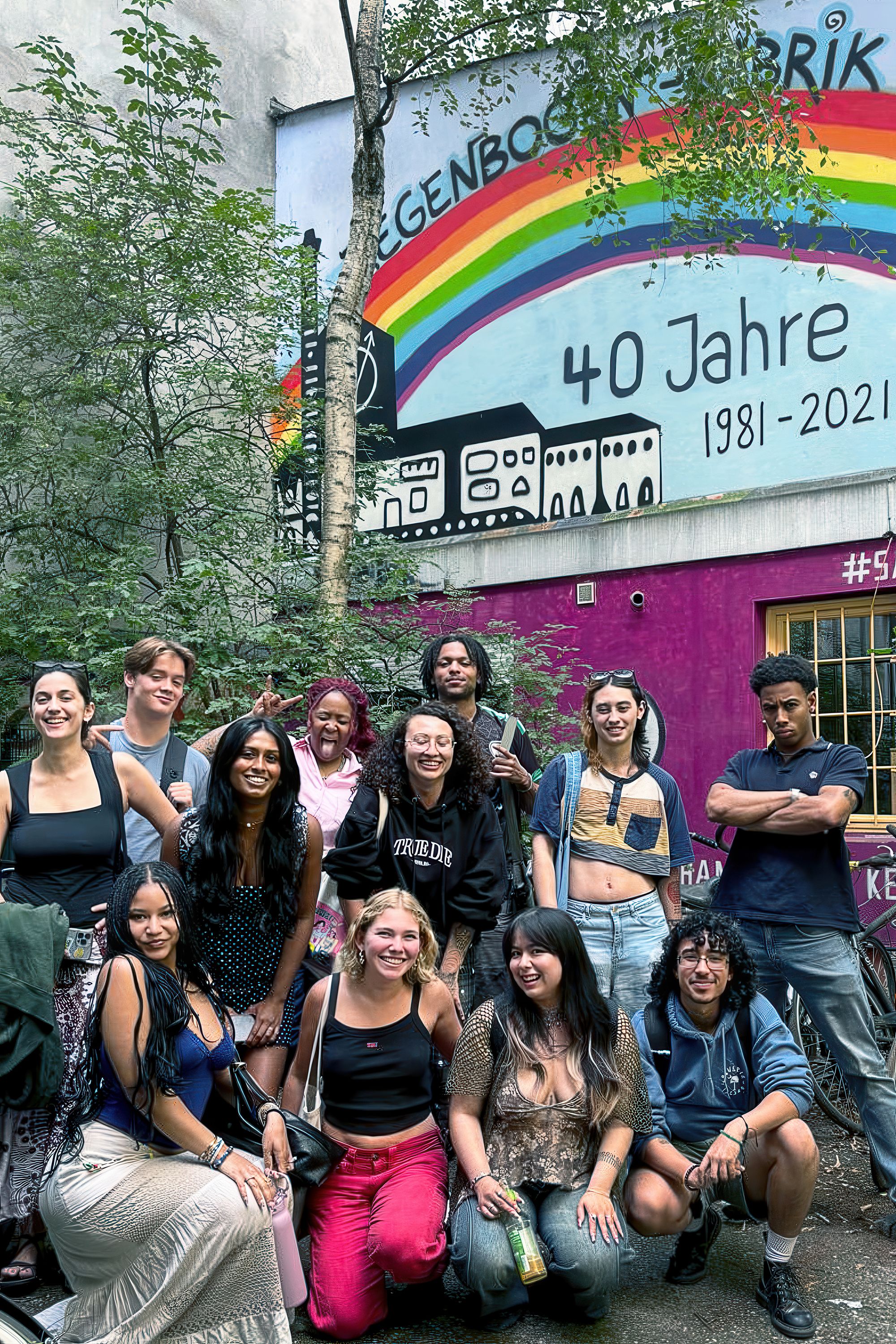

When Jevon Lipsey '26 arrived on campus as a Computer Science major, he envisioned a traditional path in AI research. But a summer studying Midwest Hip Hop with Dr. Heidi Lewis, David Lucile Packard Professor of Feminist and Gender Studies, transformed his trajectory—shifting his focus toward using technology to amplify overlooked voices and challenge inequities.
Lewis and Lipsey chose to research Midwest Hip Hop because they both hail from the region and recognized Hip Hop as a powerful form of ethnography—with artists serving as primary sources documenting their environments, histories, and political realities.
“
If you live in the Midwest, you know that there’s a dominant narrative of stillness, peace, neighborly-ness, and that nothing really happens there. Even in Hip Hop discourse, the Midwest is known as 'fly-over country,' with the coasts and the South dominating mainstream attention. Violence, poverty, police brutality, and racism does happen in the Midwest, sometimes more than in major cities like New York or Los Angeles, but their fight has long been overlooked. We aimed to highlight our region's unique blend of sounds, storytelling traditions, and social realities, and express why their voices are vital to the larger cultural conversation.
”

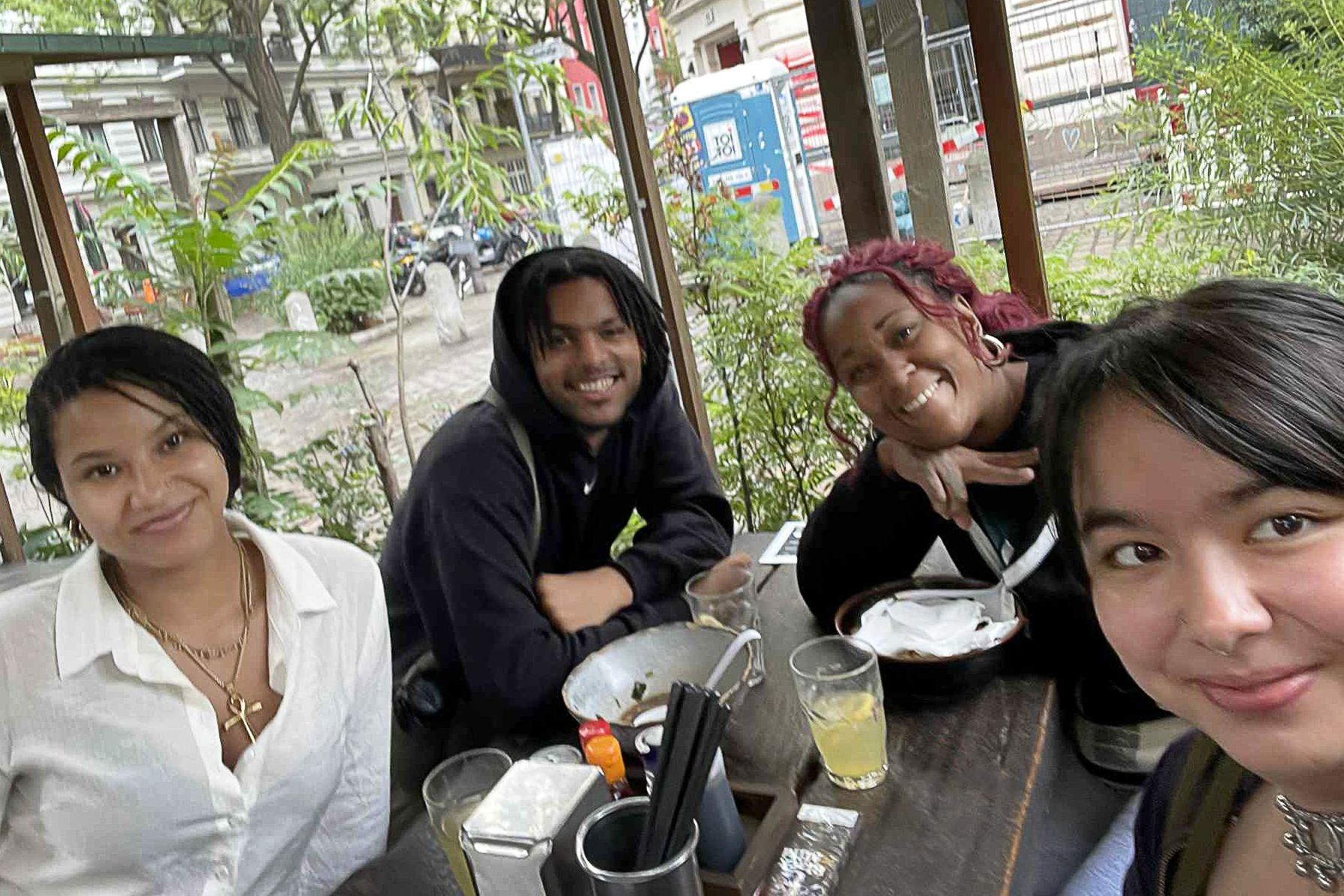
Lipsey is passionate about film, media, and music production and used his lived experiences to connect to the research.
“
I often try to bring an interdisciplinary approach to my work, hoping to blend my technical background with my own unique lens and lived experiences as a Black Hispanic man from the Midwest. This perspective has guided the types of research topics I pursue and the communities I hope to uplift through my work.
”
Lipsey and Lewis both emphasize how rewarding it was to work together.
“
Working with Jevon has been one of my most rewarding professional experiences. We both Black, we both Midwest warriors, we both love Hip Hop. Jevon is brilliant in that he asks phenomenal questions that lead to thoughtful and careful research and strong arguments.
”
“
Dr. Lewis is receptive to my ideas and we’re always bouncing off each other’s brains, connecting different dots. Research like this becomes a lot easier to dive deep into when it connects to and verifies both of our lived experiences. Her work highlights people like me and empowers communities that deserve more credit.
”
Many of the materials Lipsey and Lewis studied were primary sources, such as songs, music videos, lyrics, and social media interactions, though they also looked into the related scholarship and public opinion on Midwest Hip Hop. Lipsey and Lewis analyzed the socioeconomic data and compared it across all major cities in the Midwest, as well as some other markers such as New York, Houston, Atlanta, and Los Angeles.
One of Lipsey’s major findings is that the government's definition of the Midwest doesn't necessarily align with the people's definition.
“
Other studies revealed that 66 percent of residents in Oklahoma (South), 42 percent in Colorado (West), and even 10 percent in Tennessee believed [their location] to be a part of the Midwest. A couple of scholars we engaged with argued that maybe the Midwest was a 'state of mind' rather than a geographical region.
”
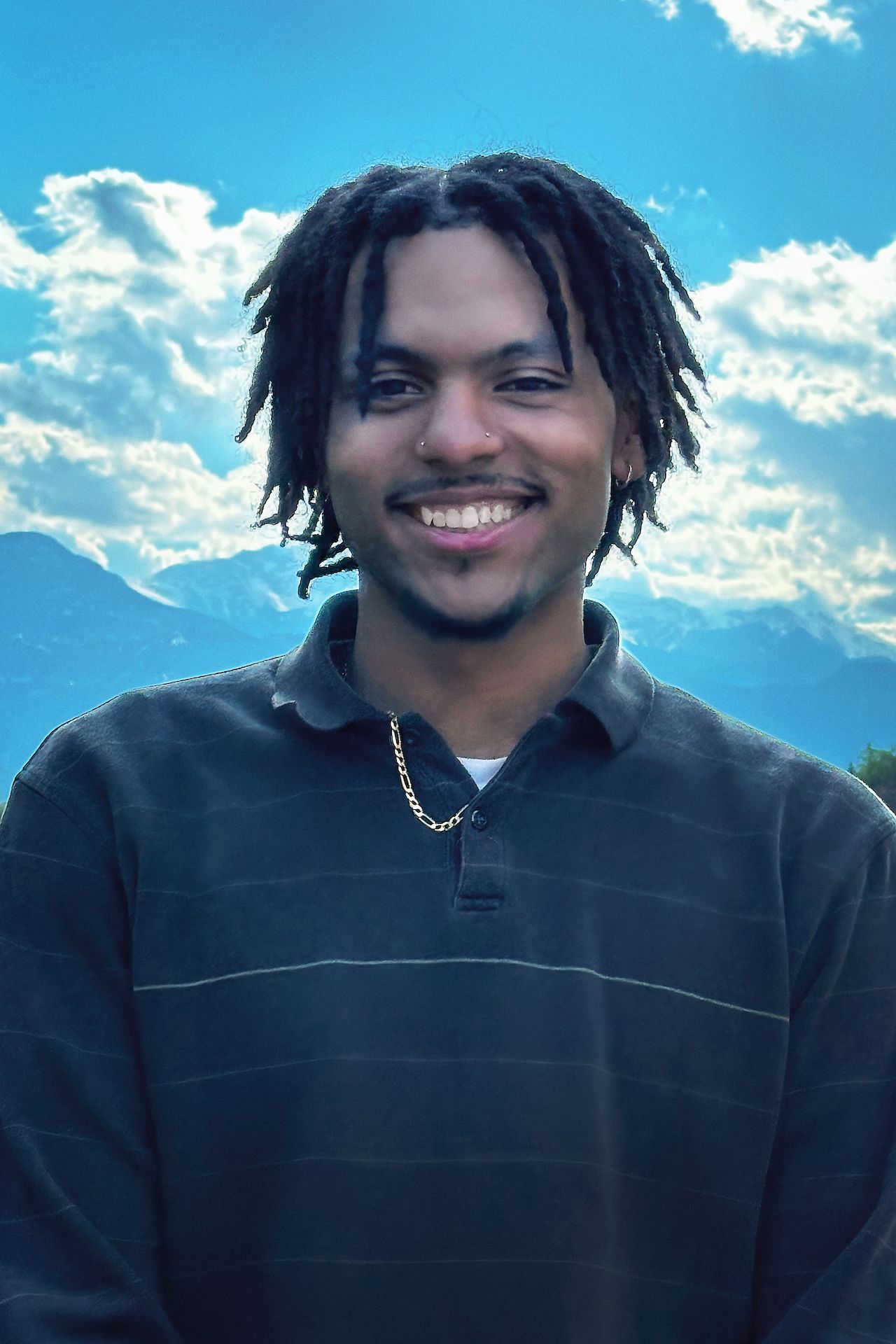
Lipsey’s experience has transformed his career trajectory. He plans to attend graduate school after graduating in May, with his dream being to study at the University of Washington in Seattle.
“
One of the biggest lessons Dr. Lewis taught me is that I have far more control over the direction of my career and research than I originally believed. I came into this summer primarily considering technical topics in AI, but my experience has shifted my perspective. I now want to pursue computer science and AI with a focus on social justice, aiming to use my technical skills to challenge inequities and amplify voices that are often overlooked in both tech spaces and society.
”



Office of Communications and Marketing
14 East Cache La Poudre St. | Colorado Springs, CO 80903
communications@coloradocollege.edu
 Built with Shorthand