
From Research to Restorative Justice: Luke Ortiz-Grabe ‘25
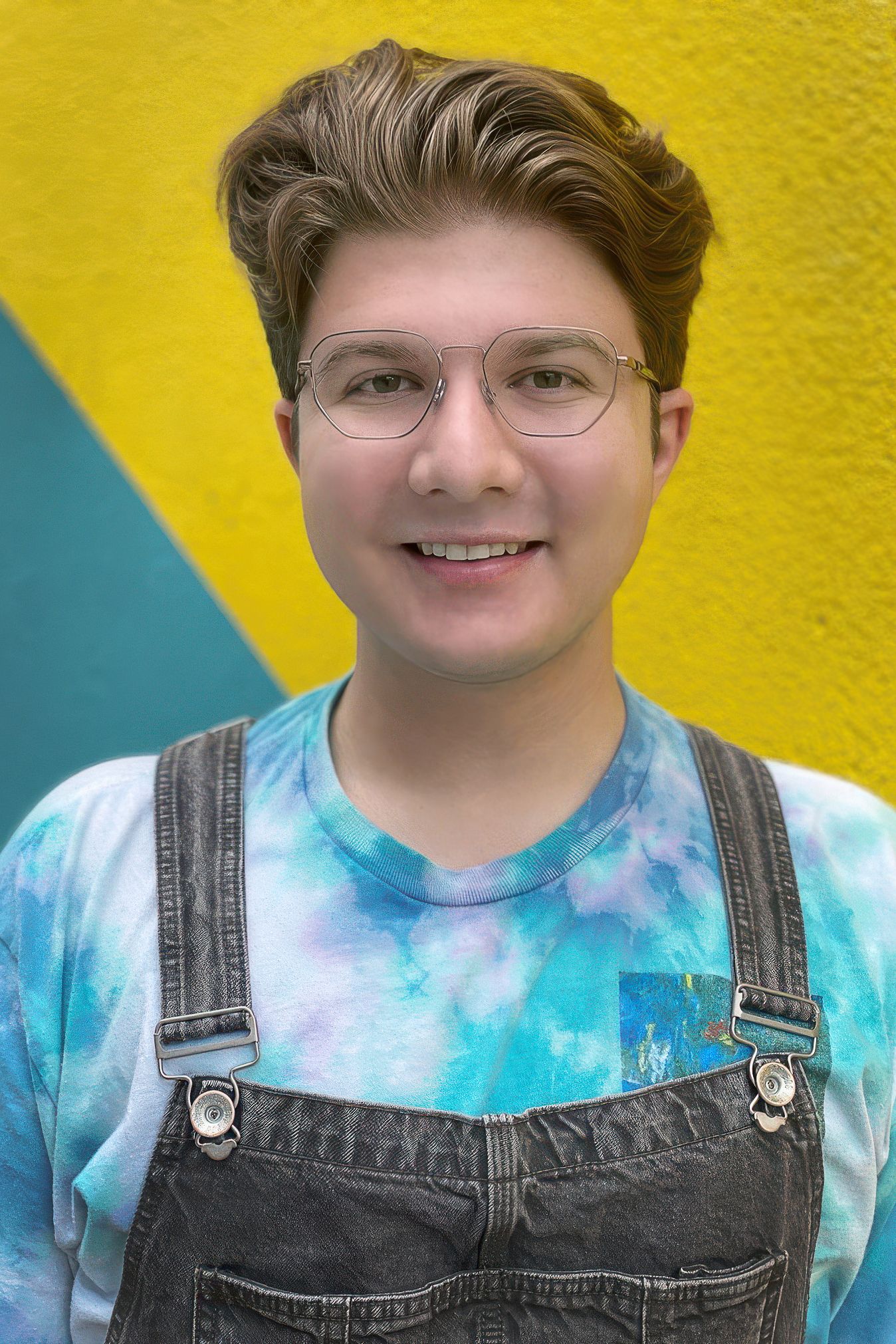

After graduating from Colorado College, Luke Ortiz-Grabe ʼ25 began working as a judicial clerk at the Denver District Court. The role gave him a front-row seat to the criminal justice system, including alternatives to incarceration. At a DIVERT Court graduation—a program offering people with felony drug possession charges a chance to seek treatment instead of serving lengthy prison sentences—he watched as former defendants returned to court not for another case, but for a celebration.
“
At the graduation, everyone gave speeches as to how they have been able to turn their lives around. When you target the root of the issues that people are facing, they can actually experience meaningful change as long as they have the support to do so.
”
After graduating from CC with a degree in International Political Economy, Ortiz-Grabe has his sights set on law school in the future, but first he’s relishing the chance to gain hands-on experience.
Law school wasn’t a likely option when he started at CC, but a supportive atmosphere helped him uncover his passions.
“
I knew CC was the right place from my first two classes. One was with Dr. John Gould, who became a mentor for me. It was such an interesting class on Central and Eastern European politics from 1989 to present, so it’s not just a general first-year seminar—this was his passion project.
”
Gould, professor of Political Science, played a key role in Ortiz-Grabe’s journey, sparking legal interest and offering research opportunities. They co-authored a paper on a lithium mine in Serbia during his senior year, which they have continued to work on post-graduation.
“
We’ll be going to a conference in Vancouver where we’re both on a panel for mineral extraction and political science. I’m very excited to be part of the conversation with all of these brilliant academics.
”
It was through a course co-taught by Gould and staff from the international nonprofit CANVAS, the Center for Applied Nonviolent Action and Strategies, that Ortiz-Grabe made connections that led to him interning abroad. With grant support from CC’s Bonner Fellowship, he traveled to Serbia for two and half months to work with CANVAS.
“
One of the most fascinating experiences I had there was finding a bookstore that would host weekly conversations about contemporary politics. We were able to actually develop friendships and connections, and understand what issues they're confronting and their perspective.
”
His time at CC, he says, helped him appreciate the value of deeper conversations and led to him embracing opportunities to speak up.
“
You can't go through CC without forming an opinion on what you're learning and vocalizing it. Everybody is pushed to formulate these ideas and have these conversations with discussion-style classes. I also did Speech and Debate and was a Speaking Center tutor. Before CC, I was terrified of public speaking, but it became a skill I really developed.
”
When he arrived at CC, he didn’t have a clear career path in mind, but the college’s environment encouraged exploration and helped him discover a passion for law and community service.
During his time as a Bonner Fellow, Ortiz-Grabe worked closely with ChangeLine, formerly known as Community Health Partnerships, to address LGBTQ+ health inequalities in Colorado Springs. He created a community needs assessment that resulted in a database of affirming healthcare providers. He also supported the founding of the Prism Community Collective, a community center built to ensure that those impacted by the Club Q tragedy can live celebrated and liberated lives.
As he looks ahead to law school and the opportunity to deepen his impact, Ortiz-Grabe encourages others to “lean into the things you do outside of class” because that’s often where you find your people, your passions, and ultimately, your path.


Office of Communications and Marketing
14 East Cache La Poudre St. | Colorado Springs, CO 80903
communications@coloradocollege.edu
 Built with Shorthand